Why Mounting Systems Are Important for Stable Construction Time-Lapse Recording
A timelapse video is only as good as the stability of the camera that captured it. Say it out loud and it sounds obvious. But it is the detail that gets overlooked most often when construction teams plan their site camera setup — and the one that causes the most problems once recording has started.
The camera itself gets most of the attention. Resolution, weather resistance, storage capacity. All of that matters. But put the best camera in the world on an unstable mount and what you end up with is footage that shifts, drifts, and judders over time. Unusable. Not what anyone planned for when the system was being specced.
A proper camera mounting system is the foundation everything else depends on. On a construction site where conditions change constantly and cameras need to hold position for months or years, that foundation matters far more than most people appreciate until something goes wrong.
What Actually Happens When Mounting Goes Wrong
Construction sites are not controlled environments. Wind. Ground vibration from heavy machinery. Temperature changes that make materials expand and contract overnight. Foot traffic near camera positions. All of this applies constant physical pressure to anything installed on site.
A camera mounting system not built for these conditions will move. Sometimes obviously — the camera shifts after a bad weather day and everything captured from that point shows a completely different angle. More often it is gradual. Fractions of a millimetre over days and weeks. Almost invisible day to day. But when you compare a frame from month one against a frame from month four, the drift is unmistakeable.
When that happens the timelapse footage breaks down as a continuous record. The visual story of the build falls apart because the reference point keeps changing. What should be a compelling record of a structure rising from the ground becomes a sequence of slightly misaligned shots that cannot be cut together cleanly.
And repositioning a camera mid-project does not fix it. Matching the exact original position after the camera has moved is extremely difficult in practice. Whatever was captured before and whatever comes after will not align — leaving a visible break in the timelapse record that cannot be edited out.
What a Proper Camera Mounting System Actually Provides
A camera mounting system built for long-term construction site use does things a basic camera stand or improvised setup cannot.
It holds the camera in the same position across months and years of changing conditions. Temperature swings, wind, vibration, rain — the mount absorbs all of it without allowing the camera to shift. The frame captured on day one matches the frame captured on day three hundred. That consistency is what makes a clean timelapse record possible.
It positions the camera at the right height and angle for the specific build being documented. Not every site can be covered from the same height or distance. A camera mounting system with proper adjustment capability allows precise positioning for the site in question — the right elevation, the right angle, the right coverage of the full development.
It provides weatherproof housing for the camera equipment. Long-term outdoor installation exposes everything to whatever the weather produces. A proper mount protects the camera while maintaining stability throughout.
It allows for controlled adjustment when it is genuinely needed. Sometimes the phase of a build changes in a way that requires the camera angle to shift. A quality camera mounting system allows deliberate, precise repositioning — not the uncontrolled drift that happens when the mount is simply not up to the conditions.
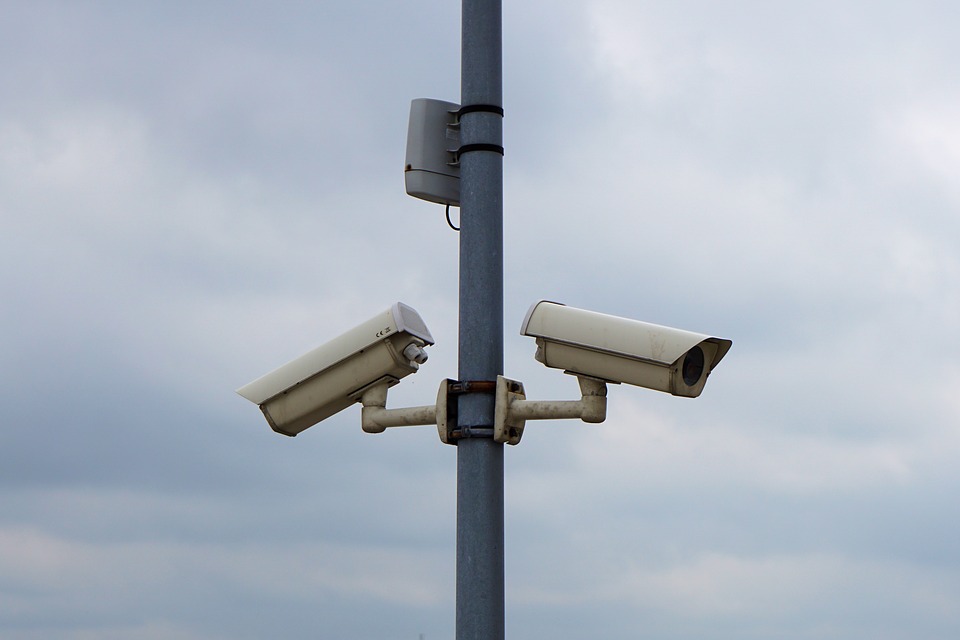
CCTV Poles — The Backbone of Site Camera Infrastructure
For most construction site camera installations, the primary support structure is a CCTV pole. What makes a good one and how it should be specified matters for anyone planning a long-term camera setup.
Height is the first thing to think through. A CCTV pole needs to get the camera above site activity and provide a clear sightline to the areas being documented. On a construction site where structures rise over time, pole height needs to account for the eventual height of the build — not just the starting conditions. A pole that gives good coverage in month two can end up obstructed by the rising structure in month eight if height has not been planned against the finished building.
Material matters too. Steel poles are standard for most construction site applications — durable, stable, able to handle the physical demands of an outdoor site environment across an extended period. The base installation needs to be solid. A pole that moves at the base transmits that movement all the way to the camera at the top, and everything the camera mounting system was designed to prevent gets undone.
For sites where a permanent ground installation is not practical, freestanding weighted base options provide adequate stability for medium-term installation without requiring ground anchoring. Useful for shorter-phase documentation or sites where ground conditions do not support a permanent setup.
Multiple CCTV poles at different positions around a large site give coverage that a single pole simply cannot. On a phased development or a large-footprint commercial build, planning pole positions to cover different areas and angles is part of getting the infrastructure right from day one.
Pan Tilt Mounts — Flexibility Without Losing Stability
A pan tilt mount lets the camera be adjusted horizontally and vertically — changing the direction and angle it is pointing without moving the main mounting structure. On a construction site, that controlled flexibility is genuinely useful.
In the early stages of a project, the most important activity is at ground level — foundations, groundworks, services. As the project develops, the action moves upward and the most useful camera angle shifts with it. A pan tilt mount allows that adjustment to be made deliberately and precisely, without disturbing the stability of the overall installation.
It also allows a wider area to be covered from a single mounting position. Rather than a fixed angle covering only part of the site, a pan tilt mount can be adjusted to capture different zones of a large development as the project moves through its phases — reducing the number of separate camera positions needed for complete coverage.
The key consideration in a timelapse application is locking. Once positioned at the right angle, the mount needs to hold that position absolutely. Any movement — even very slight — shows up in the timelapse footage over time. Quality pan tilt mounts designed for long-term monitoring have locking mechanisms built specifically for this.
For sites running multiple cameras, pan tilt mounts at each position give the overall system far more flexibility to adapt to the changing nature of the build without requiring new mounting positions to be established.
Planning Camera Mounting for a Construction Project
Mounting is not something to work out after the cameras arrive on site. It needs to be part of the initial project plan — thought through alongside camera selection, coverage requirements, and the documentation and security objectives for the build.
A few things consistently make the difference between a mounting setup that works well across a long project and one that creates problems.
Height planning needs to account for the finished height of the build, not just what the site looks like at the start. A CCTV pole that gives good coverage during the foundation stage can become obstructed as the structure reaches its full height. Planning against the completed building from the beginning prevents this from happening mid-project when there is far less room to fix it.
Access for maintenance needs to be considered at installation. Cameras and mounts need periodic checks across a long project. A mounting position that is difficult to reach safely makes routine maintenance harder and means issues are more likely to be left unaddressed. Practical access should be factored into where and how the camera mounting system goes in.
Timelapse and security camera infrastructure should be planned together. Running timelapse camera mounting and CCTV pole infrastructure as separate systems costs more and produces worse coverage than integrating both from the outset. Shared mounting, shared power, shared network connectivity — integration from day one is more efficient on every level.
Ground conditions affect mounting options. Not every site can support a ground-anchored pole. Roof mounting, wall mounting, weighted freestanding bases — the right option depends on the specific site and how long the installation needs to last. Getting this assessed properly at the planning stage prevents the wrong system going in.
What Evort Provides
Evort delivers Best Timelapse Camera Solutions covering the full installation — camera equipment, camera mounting systems, CCTV pole infrastructure, and pan tilt mounts — planned and installed as an integrated system for each specific project.
Their approach to mounting is based on the actual demands of long-term outdoor construction site use. Mounting systems that maintain camera stability across the full duration of a build regardless of site conditions. CCTV poles and pan tilt mounts specified for the particular site, the height of the build, and the coverage requirements of the project.
For projects requiring both timelapse documentation and security camera coverage, Evort plans the full infrastructure as a single integrated system from day one — not two separate installations that happen to sit near each other.
Equipment is maintained and checked throughout the project. Mounting issues that develop are identified and resolved promptly. For long-term builds, that ongoing maintenance support is as important as the quality of the initial installation.
Practical Points Before Installation
Get mounting positions planned before site work starts. The camera mounting system needs to be in place from the first day of ground activity. Retrofitting mid-project is more difficult and more expensive than planning from the outset.
Get the height right from the start. Think through the finished height of the build and position CCTV poles and camera mounts to provide useful coverage at completion — not just at the foundation stage.
Specify pan tilt mounts where flexibility will be needed. If the build involves multiple phases or the key activity zones will shift significantly as the project progresses, pan tilt mounts give the system the flexibility to adapt without new mounting positions being established.
Plan integrated infrastructure for timelapse and security. Shared CCTV pole and mounting infrastructure is more cost-efficient and delivers better overall site coverage.
Get site conditions assessed before specifying mounting type. Ground conditions, wind exposure, proximity to site activity, and installation duration all affect which mounting solution is right. A proper assessment at the planning stage prevents the wrong system being installed.
FAQ
Why does camera mounting matter so much for timelapse?
Timelapse depends entirely on the camera holding the same position across the full duration of the project. Even small movements — from wind, vibration, or temperature change — show up as visual inconsistencies in the footage. A quality camera mounting system prevents this, keeping footage consistent and usable from first day to last.
What type of CCTV pole works best on construction sites?
Steel poles are standard for most applications due to their durability and stability. The right height depends on the site and the finished height of the build. For sites where ground anchoring is not practical, weighted freestanding bases provide adequate stability for medium-term use. A site-specific assessment is the most reliable way to specify the right pole.
How does a pan tilt mount help during a construction build?
It allows the camera angle to be adjusted deliberately without moving the main mounting structure. Useful when the key activity zone on a site shifts as the build progresses — the mount adapts to the changing focus of the project without a new installation position being needed.
Can camera mounting systems handle outdoor construction conditions?
Quality systems designed for construction site use handle rain, wind, temperature extremes, and heavy machinery vibration. The key is specifying a system rated for outdoor long-term use and appropriate for the specific site conditions.
How often do mounts need to be checked during a long project?
As part of a professional timelapse service, mounting systems are checked regularly throughout the build. Sites in exposed locations with high wind or significant ground vibration may need more frequent checks than sheltered sites.
What happens if a mounting system fails mid-project?
A mounting failure creates a gap or discontinuity in the timelapse record that cannot be fully recovered. Professional services include mounting maintenance specifically to prevent this. Evort monitors equipment throughout the build and addresses issues promptly to keep coverage consistent.
Can timelapse and security cameras share the same mounting infrastructure?
Yes. Both can share the same CCTV pole and mounting infrastructure, which is more cost-efficient than installing separate systems. Evort plans both as an integrated installation from the outset for projects requiring timelapse documentation and security camera coverage together.
Summary
The camera mounting system is the foundation that makes everything else in a construction timelapse setup work. Without stability at the mount, footage drifts. The visual record breaks down. The investment in camera equipment and months of captured footage lose much of their value.
Getting mounting right means planning it from the start. The right CCTV pole heights. The right pan tilt mounts where flexibility is needed. The right integration between timelapse and security camera infrastructure. And the right maintenance support to keep everything stable across the full duration of the build.
Evort plans, installs, and maintains complete camera mounting systems for construction projects of all scales — ensuring stable, consistent, high-quality footage from first day to last.
Visit evortimelapsecamera.com to find out how their mounting solutions can support your next project.