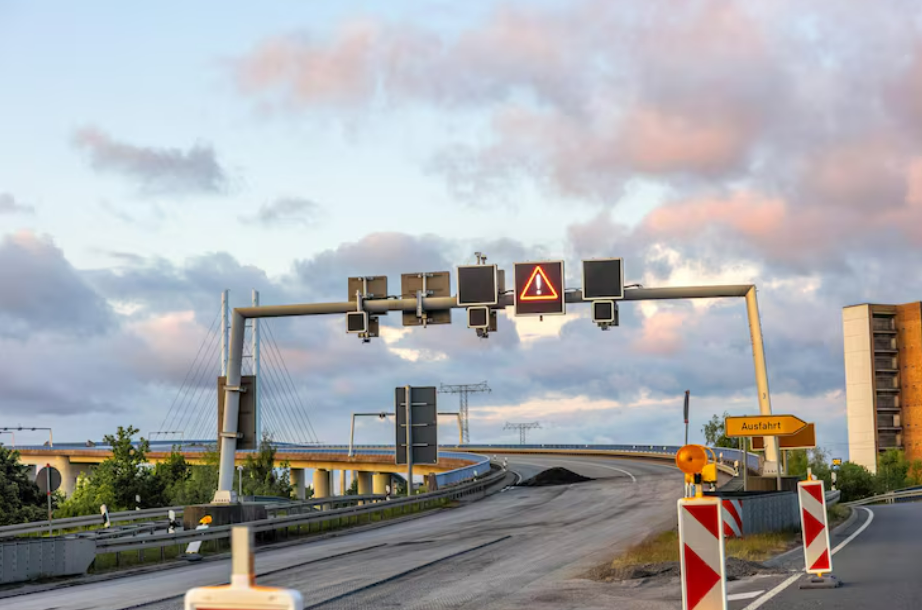
Timelapse Monitoring for Road & Highway Construction
We know that, Road and highway construction is never a simple process. Projects run long, cover large areas, and involve a lot of different teams working at the same time. With so much going on, it’s easy for details to get missed or misunderstood. That’s one of the main reasons road timelapse monitoring has become so common on infrastructure projects and thus helping us to a larger extent.
We will not be able to physically present at sites so rather than relying only on reports or site notes, our teams can actually see what’s happening as the job progresses. A road timelapse helps us by recording the project from start to finish, showing how the work develops day by day. It gives a clear picture of progress, challenges, and key moments without needing long explanations and making our works much easier.
Why Timelapse Monitoring Is Useful on Road Projects
Road construction doesn’t move fast or in a straight line. We know our work happens in stages, often across different lanes or sections at different times and is a bit of a difficult task for us. Road timelapse monitoring gives our project managers a simple way to look back and see exactly what was happening on site at any point in time.
This becomes especially useful when delays or issues come up and we could not make up to the site. Weather, traffic changes, or unexpected services can slow things down, and explaining that later isn’t always easy. Having a road timelapse means there’s visual evidence to support those conversations, which helps when dealing with clients, councils, or the public.
Helping with Public Updates and Transparency
Road projects affect everyone, so they’re always under pressure from the public. People want to know why roads are closed and when work will be finished. Timelapse videos help show that progress is being made, even when it might not be obvious from the outside.
Sharing updates from a road timelapse makes communication clearer and more honest. On larger projects, a highway timelapse is particularly helpful. It shows complex work like interchanges, bridges, and traffic switches in a way that photos or written updates can’t. These videos are often used in community updates, presentations, or online posts.
Supporting Project Management and On-Site Teams
Timelapse monitoring will be beneficial for us by making our work much easier and simpler. Engineers and supervisors can review footage to understand how work flowed, where time was lost, or how safety was managed on site and also helps us to see how the works progress from time to time.
If our project is about long stretches of road or major upgrades, highway timelapse footage will be helpful for our teams to see progress across different areas and work accordingly. It also makes coordination between contractors easier, especially when multiple crews are working at the same time under tight schedules.
Value That Continues After the Project Ends
Once the job is finished, the road timelapse still has value, The final video can be used for future tenders, internal reviews, training, or showcasing completed work. It gives a real view of what our team delivered, not just a written summary.
That’s why many companies choose professional Timelapse Services for Construction & Infrastructure. Having specialists manage the cameras and footage means fewer technical problems and consistent results over the life of the project.
A Practical Way to Record Infrastructure Projects
As road networks continue to expand, documenting road construction properly has become more important. A road timelapse provides a clear, reliable record of how a project was built, from early works to final completion.
For road and highway construction, road timelapse monitoring has proven to be a practical and effective way to track the progress, support decision-making, and communicate clearly with everyone involved in the process.
Frequently Asked Questions
1. What is road timelapse monitoring and how is it used?
Road timelapse monitoring uses fixed cameras to record construction activity over time. Instead of relying only on reports, teams can visually review progress whenever needed. It’s commonly used to track daily work, confirm when tasks were completed, and review key stages of a project.
2. Is timelapse useful on highway projects?
Yes. Highway timelapse works well on large or long-term projects where multiple stages overlap. It helps teams see how work progressed across different areas and how traffic changes were handled. Many teams also use the footage later to improve planning on future jobs.
3. Can timelapse footage help explain delays?
It can. Road timelapse footage shows what was happening on site during specific periods. This helps explain delays caused by weather, access issues, or changes in scope without relying only on written explanations.
4. How does timelapse help with public communication?
Timelapse videos make it easier to show progress in a clear and honest way. Instead of general updates, teams can share visual proof of completed work. Road timelapse clips are often used to reduce confusion and help the public understand what’s happening.
5. Do projects need specialists to manage timelapse systems?
If our projects are longer or more complex, specialist support is usually helpful. Timelapse Services for Construction manages camera setup, maintenance, data handling, and final video delivery. This allows site teams to focus on the work without worrying about technical issues.